The Magic of Patience
Patience is a quality that grows slowly, like a seed you water every day. For some children—especially those who are sensitive or atypical—waiting can feel difficult. Emotions rise quickly, the world feels too fast, and the need for things to happen immediately can become overwhelming. Yet learning to be patient is not just about waiting: it is about understanding, observing, feeling, and adapting to life’s rhythms.
To begin, it’s important to show that patience is not a weakness, but a strength. It helps manage emotions, think before acting, and fully appreciate each moment. With an atypical child, putting words to what they feel while they wait can be helpful. Saying, “I know it’s hard to wait, and it’s okay to feel frustrated,” helps them recognize and accept their emotions rather than push them away.
Simple exercises can turn waiting into a positive experience. For example, taking a few deep breaths, observing what is happening around them, or imagining a small game while waiting can reduce stress and transform impatience into curiosity. Every small success matters: if a child manages to wait a little longer than before, it is already a step toward better self-control.
Patience is also learned through example. Adults can show how to manage their own impatience with calm and humor. A parent who takes the time to prepare a meal, solve a problem, or simply breathe through a stressful moment offers a reassuring model. It shows that patience is not inaction, but a form of calm trust in the natural flow of things.
It is also important to celebrate progress, even small steps. Encouraging a child who waits their turn, finishes an activity, or takes a deep breath when frustrated reinforces their motivation. These positive moments become references they can rely on in more challenging situations.
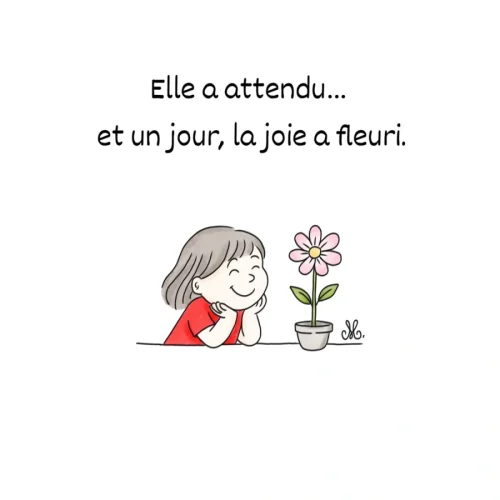
Learning patience also helps us appreciate the small things in life. Watching a flower bloom, listening to birds sing, reading a book, or drawing quietly are moments where time becomes an ally rather than an enemy. Little by little, the child discovers that waiting does not have to be endured—it can be lived fully, and each moment holds its own value.
Finally, patience is a gift we give to ourselves and to others. It helps create an atmosphere of respect and listening, encourages empathy, and strengthens family bonds. Even adults can continue to cultivate it, as it is an essential life skill. With practice, kindness, and consistency, patience becomes a gentle strength that allows us to move through the world with calm and confidence—and helps children grow with balance, security, and self-trust.