
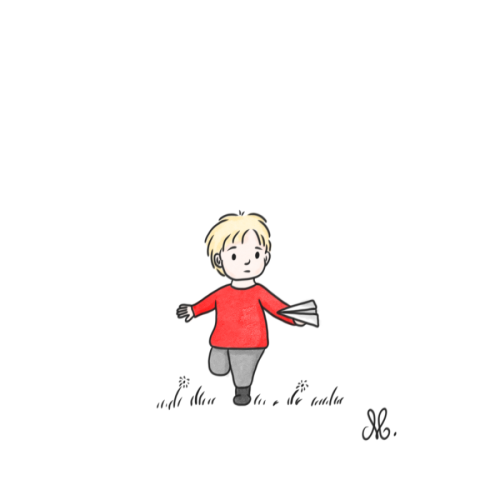
Sensory hypersensitivity manifests as a stronger reaction to everyday stimuli: noise, light, smells, textures… What others barely notice can become overwhelming.
Often misunderstood, this sensitivity is not a weakness. It reflects a particular way the nervous system functions, capturing and processing more information.
Understanding sensory hypersensitivity helps you better recognize your reactions and learn to live with greater calm.
What Is Sensory Hypersensitivity?
Sensory hypersensitivity refers to an amplified perception of external stimuli. The brain receives more information and processes it with greater intensity.
This can affect several senses: hearing, sight, touch, smell, and even taste. This heightened sensitivity can make certain everyday situations difficult to manage.
It is not an illness, but a different way of perceiving the world.
Symptoms of Sensory Hypersensitivity
Manifestations vary from person to person, but some common signs include:
- Discomfort with loud or repetitive noises
- Sensitivity to light or screens
- Discomfort with certain textures (clothing, materials)
- Strong reactions to smells
- Quick fatigue in stimulating environments
This sensory overload can lead to fatigue, irritability, or a need to withdraw in order to regain calm.
Examples in Everyday Life
Some simple situations can become difficult. Constant background noise, bright lighting, clothing labels, or lingering smells can quickly create discomfort.
In public places or highly stimulating environments, a hypersensitive person may feel overwhelmed and need to step away.
This way of functioning is often invisible to others, which can lead to misunderstanding.
How to Live Better with Sensory Hypersensitivity
It is possible to ease this sensitivity by adopting certain habits:
- Create a calmer, more soothing environment
- Take regular breaks to avoid overload
- Use helpful tools (noise-canceling headphones, soft lighting…)
- Listen to your needs without guilt
Learning to recognize your limits helps you better manage everyday situations and preserve your energy.
Learning to Understand Your Sensitivity
Sensory hypersensitivity can be challenging, but it becomes more manageable when you learn to identify and accept it.
Knowing yourself better allows you to turn this sensitivity into a strength rather than a burden.
To go further, you can discover
this book on hypersensitivity, designed to help you better understand and navigate your emotions.