The Benefits of Hugs for Atypical Children
Sometimes, One Hug Is Enough to Make Everything Feel Better
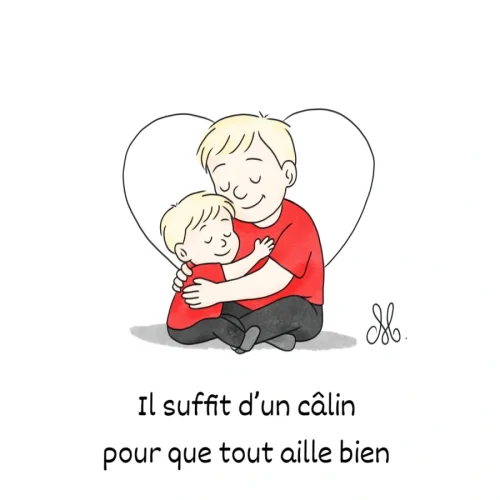
A hug is a silent language. A simple gesture that says everything: “I see you,” “you are safe,” “you can rest for a moment.”
For atypical, highly sensitive, or simply different children, this gentle contact is much more than affection. It becomes an anchor, a breath of relief, a way to reconnect with the world without words.
The benefits of hugs for atypical children are often invisible, yet deeply essential.
The Soothing Power of Touch
Neuroscience has shown that hugs release oxytocin, the hormone associated with well-being. But beyond biology, there is the power of connection.
When a child receives a sincere hug, their body relaxes, their heartbeat slows, and their thoughts calm down. It is a gentle way of saying: “You are safe. You can let go.”
For hypersensitive or atypical children, who are often overwhelmed by stimulation, hugs help regulate emotions and restore inner balance.
Hugs as an Emotional Safe Place
Some children do not immediately enjoy hugs, especially when physical contact feels too intense. Yet the need for emotional safety remains.
A caring look, a calm presence, or a softly placed hand can become another form of hug.
The benefits of hugs for atypical children also lie in this ability to adapt: understanding the child’s rhythm and respecting their sensitivity.
A Simple Gesture Filled with Meaning
Hugs are like small breaths of air in the chaos of everyday life. They remind us that love is not expressed only through words, but also through presence.
In families with atypical children, these simple gestures build trust. They help the child feel supported, even when they cannot fully understand what they are feeling.
Sometimes a hug soothes more deeply than long explanations, because the body understands before the mind does.
What Is a “Cuddly Friendship”?
A cuddly friendship is a relationship based on affection and physical comfort—such as hugs—without romantic meaning.
For children, this type of connection is natural. They seek closeness, hugs, and comfort from one another.
These gestures strengthen feelings of safety and emotional connection, which are essential for development, especially for highly sensitive children.
The Benefits of Hugs for Sensitive Adults Too
Hugs are not only for children. Sensitive adults also need comfort, safety, and emotional reassurance.
A hug helps slow down, release tension, and reconnect with oneself and with others.
Because deep emotional needs do not disappear with age.
Why Hugs Are Essential for Emotional Development
Hugs contribute to a child’s emotional development. They strengthen self-esteem, confidence, and the ability to build healthy connections.
For an atypical child, hugs become a stable point of reference in a world that can sometimes feel too intense or difficult to understand.
They create a safe space where the child can simply be themselves.
Conclusion
The benefits of hugs for atypical children remind us of something essential: we all need gentleness, though not always in the same way.
A hug, a gesture, a caring presence… every form of attention matters.
And sometimes, one sincere hug is enough to calm an inner storm.