A Guide to Supporting Highly Sensitive and Neurodivergent Children
Some children feel everything more intensely: joy, fear, sadness… Being highly sensitive or neurodivergent is not a problem, but a strength that needs guidance. Understanding and supporting these children can transform their daily lives and build their self-confidence. Every child is unique, and recognizing their differences is the first step toward providing a safe and nurturing environment.
What Is High Sensitivity?
High sensitivity shows up as a strong responsiveness to emotions, sounds, lights, and social situations. A highly sensitive child may cry easily, be deeply empathetic, or need time alone to recharge. They notice details and nuances others may miss, which can lead to sensory or emotional overwhelm. This intensity is both a strength and a challenge, shaping how the child interacts with their environment and others.
How to Support a Highly Sensitive Child
Practice Active Listening
Validate their emotions instead of minimizing them. Attention and empathy strengthen their sense of safety and encourage honest emotional expression.
Put Words to What They Feel
Images and words help children understand their emotions. Discover our illustrated guide designed to support this process.
Create a Safe Environment
A stable routine, a calm and predictable space, and preparing for transitions help children feel secure and better manage their emotions.
Encourage Creativity
Drawing, music, writing, or imaginative play offer ways to express what is difficult to put into words, while developing emotional and cognitive skills.
5 Phrases to Support a Highly Sensitive Child
Using simple words to describe emotions helps a highly sensitive child feel understood and safe. Here are five phrases to use in everyday life:
- “I understand how you feel” – Validates emotions without judgment, strengthening trust and emotional safety.
- “You are not alone” – Normalizes their feelings and reassures them that support is always available.
- “Let’s take a breath together” – A simple way to calm tension and regulate emotional intensity.
- “What can you do right now?” – Encourages reflection, autonomy, and problem-solving.
- “Your feelings matter” – Reinforces self-worth and emotional validation.
Understanding Neurodivergent Children: Giftedness, ADHD, Autism
Every neurodivergent child experiences the world differently, and emotions can be intense and difficult to express. It’s important to adapt support to each profile:
- Gifted (High Intellectual Potential): These children think quickly, feel deeply, and are often highly curious. They may feel misunderstood or bored if not sufficiently stimulated.
- ADHD (Attention Deficit Hyperactivity Disorder): Impulsivity and attention challenges can intensify emotions. These children benefit from flexible structure and practical strategies to channel their energy.
- Autism Spectrum: Emotions may be intense but harder to express or understand socially. Routines, visual supports, and adapted guidance are especially helpful.
Why Visual Tools Really Help
Images, symbols, and illustrations help children visualize and name their emotions, which can be challenging for highly sensitive or neurodivergent children.
Our illustrated guide offers visual tools designed to:
- support emotional communication
- develop emotional vocabulary
- create meaningful moments of connection between child and adult
Ideas to Support Emotional Growth Every Day
- Create a calm corner at home to help the child reset and find emotional balance.
- Use an emotion journal or drawings to express feelings and encourage dialogue.
- Share positive and reassuring phrases regularly to build confidence and emotional safety.
- Observe and name emotions with kindness, without judgment or criticism.
- Encourage emotional autonomy through small decisions, building confidence and responsibility.
Conclusion
Every highly sensitive or neurodivergent child deserves to be understood and supported with care. Visual tools, simple language, and emotional validation can transform daily life and strengthen self-confidence. A safe environment, consistent routines, and creative activities support growth and resilience.
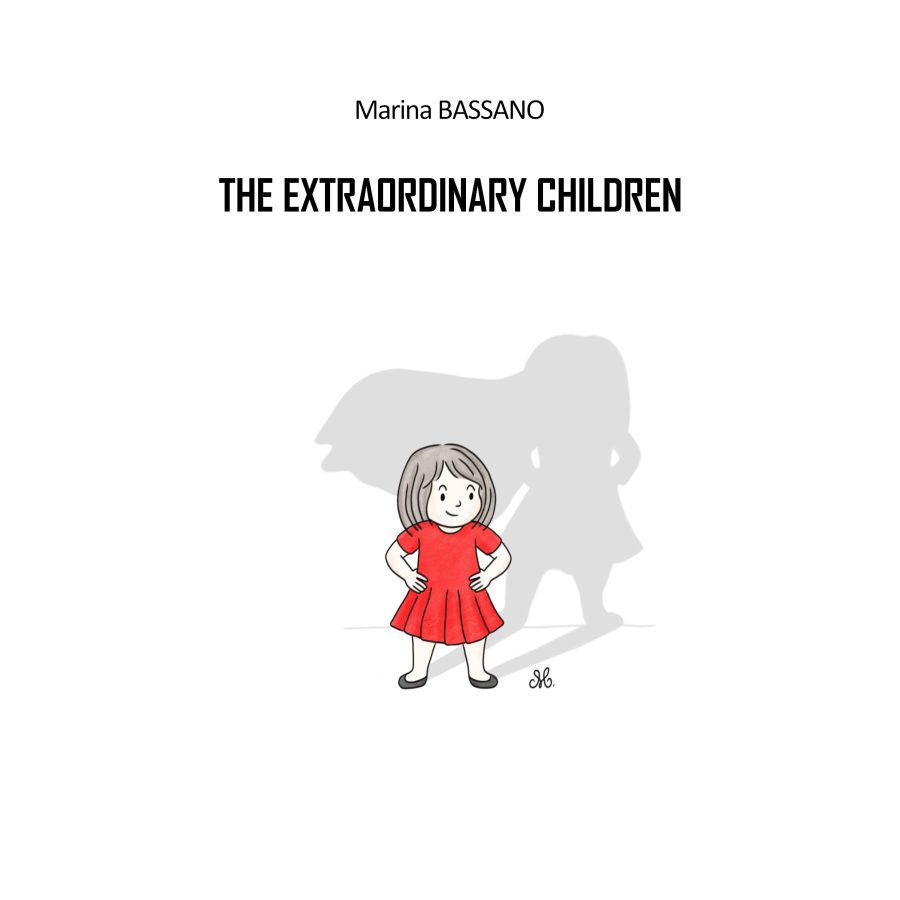
To go further and explore emotions through illustrations, discover our illustrated guide “The Extraordinary Children”. This book is a valuable resource for children, parents, educators, and professionals who want to support neurodivergent children with care and understanding.