Adult High Sensitivity: Impact on Mental Health
Understanding the Link Between High Sensitivity and Mental Health
In neurodivergent adults, emotional sensitivity is a deep trait and often a source of personal richness, but it can also have a significant impact on mental health if it is not recognized and supported. Highly sensitive adults experience emotions with great intensity, perceiving subtle nuances in their environment with heightened awareness. While this ability allows for deep connection and insight, it can also lead to chronic stress, emotional fatigue, and, in some cases, increase the risk of anxiety or depressive symptoms.
The highly sensitive brain continuously processes information that others may naturally filter out. Sounds, lights, social tension, or unspoken dynamics can become overwhelming stimuli, leading to sensory and emotional overload. Without appropriate coping strategies, this sensitivity can become exhausting and affect quality of life, sleep, and social relationships.
Warning Signs to Watch For
Recognizing early signs is essential to prevent a negative impact on mental health. Highly sensitive adults may experience social withdrawal, decreased self-esteem, or frequent irritability. Sleep disturbances, mood fluctuations, or a persistent feeling of being “out of sync” with others are also important indicators.
Many individuals feel misunderstood or judged in their professional or personal environments, which can intensify feelings of loneliness and emotional distress. Identifying these signals early allows for timely action before stress becomes chronic and emotional exhaustion takes hold.
Essential Prevention Strategies
Prevention starts with self-awareness and the implementation of routines adapted to one’s sensitivity. Regular sleep, balanced nutrition, and sensory breaks are essential to reduce emotional fatigue. Practices such as mindfulness meditation, yoga, or conscious breathing support long-term emotional regulation.
Reflective writing, emotional journaling, and creative activities such as drawing, painting, or music can help transform emotions into constructive energy and deepen self-understanding. Through these practices, highly sensitive adults learn to welcome their emotions without judgment, strengthening psychological resilience.
Taking Care of Yourself with the Right Support
Working with a therapist experienced in high sensitivity or neurodivergence can help individuals better understand their patterns, identify their needs, and develop effective strategies for managing stress and emotions. Support groups, workshops, and online forums also provide valuable spaces to share experiences and reduce feelings of isolation.
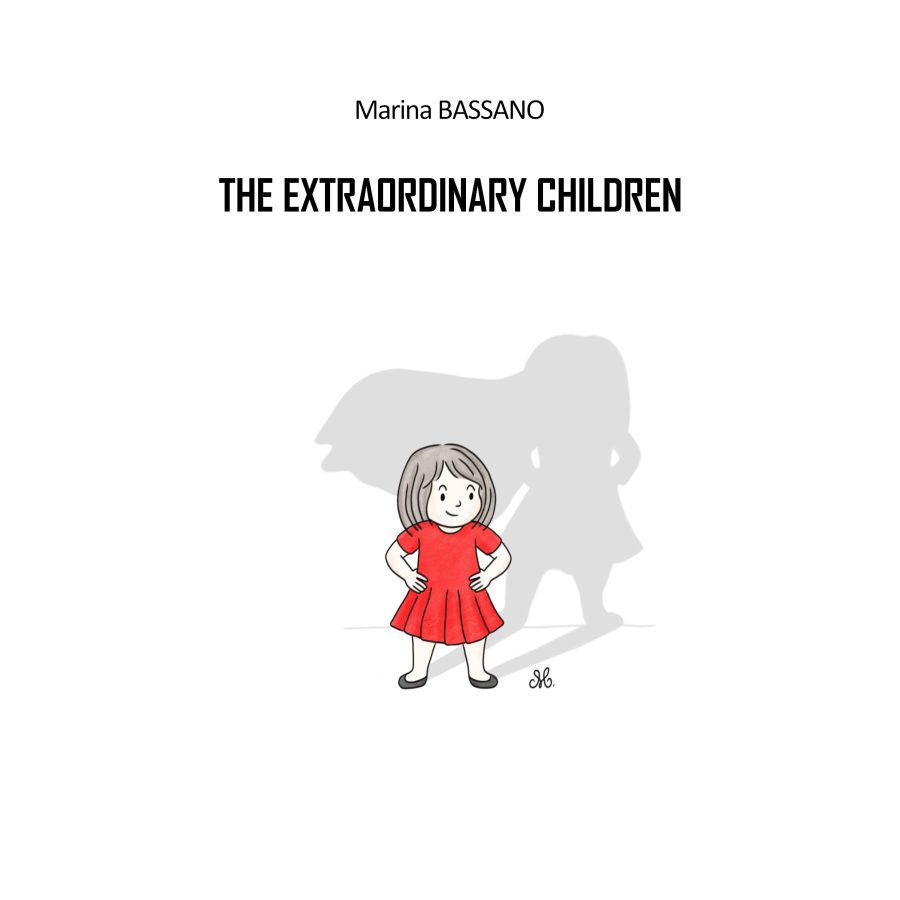
The book “The Extraordinary Children” by Marina Bassano, although designed for children, offers illustrated and accessible insights into emotions, sensitivity, and the needs of neurodivergent individuals. Many adults resonate with its approach, finding helpful guidance for self-understanding and self-respect.
Helpful Resources
Several authors have specialized in supporting highly sensitive and neurodivergent adults. Elaine Aron, a pioneer in the study of high sensitivity, and Saverio Tomasella, known for his work on emotions and vulnerability, provide practical tools to manage stress, build self-esteem, and cultivate well-being.
Websites such as hypersensibles.com offer articles, self-assessments, and practical advice for better understanding sensitivity and creating supportive environments. Participating in workshops, personal development programs, or supportive communities can also help reduce isolation and strengthen self-confidence.
Conclusion
High sensitivity is not a weakness, but a strength that requires attention and care to protect mental health. Understanding your patterns, recognizing your limits, and implementing preventive strategies allow highly sensitive adults to fully express their potential while maintaining emotional balance.
With the right resources, professional support, and regular practices such as relaxation and creativity, it is possible to transform sensitivity into strength and build a fulfilling, balanced life.