Differences from Neurotypical Individuals
Understanding Specific Needs
Neurodivergent vs. Neurotypical Adults: What Does It Mean?
A neurotypical adult functions according to cognitive, emotional, and social patterns generally expected by society. They tend to perceive and respond to the world in ways that align with common social norms. In contrast, a neurodivergent adult may have traits and ways of functioning that differ from these norms: high sensitivity, giftedness, ADHD, autism spectrum traits, or other cognitive and emotional differences.
These differences are not necessarily flaws or disorders, but natural variations in human functioning. Neurodivergent adults often experience the world in ways that are more intense, nuanced, or complex, which shapes how they think, feel, and act in everyday life.
Differences in Emotional Processing
Neurodivergent adults often experience emotions more intensely and deeply. Where a neurotypical adult may respond moderately to a situation, a highly sensitive individual might feel overwhelmed by the same event. This intensity influences stress management, decision-making, self-esteem, and social behavior.
For example, criticism or rejection may trigger stronger and longer-lasting emotional reactions. Feelings such as frustration or excitement can also be amplified. While this may sometimes be perceived as vulnerability, it is simply a different way of experiencing emotions. Understanding these differences helps develop more effective coping strategies and emotional resilience.
Communication Styles and Perception of the World
Neurodivergent adults may think in non-linear ways, often described as “branching” or associative thinking. This can enhance creativity and problem-solving but may also make communication with neurotypical individuals more complex. Their sensory perception is often heightened: they may notice details others miss and be more sensitive to sounds, light, or emotional atmospheres.
This sensitivity can be a strength, but it may require adjustments or clearer communication to avoid misunderstandings. Interactions with neurotypical individuals often benefit from patience, clarity, and choosing the right moment to communicate.
The Need for Adaptation
To thrive, neurodivergent adults often need environments and rhythms that respect their sensitivity and unique way of functioning. In the workplace, this may include a calm setting, flexible schedules, or the ability to work independently. In personal life, moments of solitude, creative activities, and calming routines are essential to recharge emotional energy.
Recognition of these needs by family, friends, and colleagues is essential for long-term well-being. Understanding that these needs are valid — not optional — supports better communication and more balanced relationships.
Resources for Further Exploration
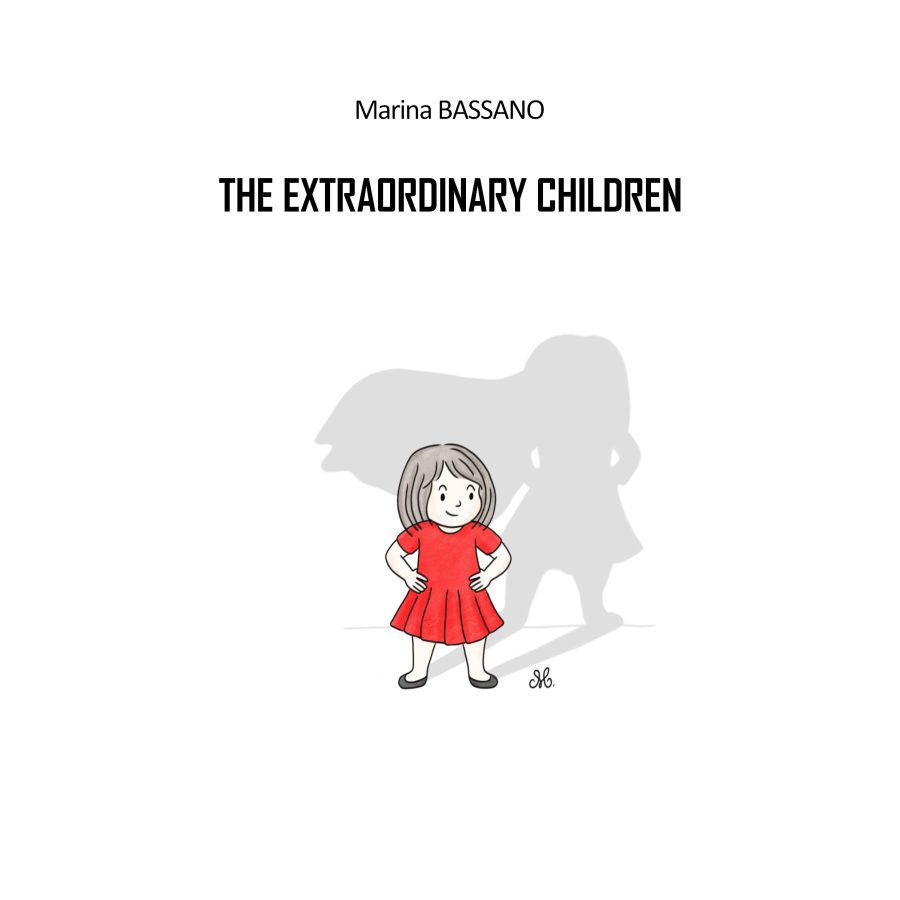
To explore neurodivergent profiles more deeply, the book The Extraordinary Children is a valuable resource for understanding both children and adults. It offers illustrations, explanations, and practical guidance for everyday support.
For external resources, the Cogitoz website provides articles, guides, and support tailored to neurodivergent adults. These resources help deepen understanding and offer practical strategies for personal and professional growth.
Joining support groups or online communities can also be beneficial. Sharing experiences, tips, and strategies with others helps build confidence, connection, and self-understanding.
Conclusion
The differences between neurodivergent and neurotypical adults are not flaws or weaknesses. They are natural variations in human functioning that require understanding and appropriate adaptations. By recognizing and valuing these differences, we can create more inclusive and supportive environments.
For neurodivergent adults, understanding and embracing their unique way of functioning leads to better emotional management, clearer communication, and a more fulfilling personal and professional life. With the right resources and a more awareness-driven society, every neurodivergent individual can fully express their strengths and uniqueness.