Giftedness, ADHD, and High Sensitivity: What Are the Differences?
Understanding the Nuances Between Neurodivergent Profiles
Giftedness, ADHD, high sensitivity… These terms are often used to describe neurodivergent children, but they refer to very different realities. Understanding these distinctions is essential to provide the right support. Each profile comes with its own strengths and challenges, and many children present overlapping traits, making individualized support even more important.
Giftedness: High Intellectual Potential
A gifted child is characterized by above-average intellectual abilities, often identified through cognitive assessment. This potential can show up as intense curiosity, fast reasoning, a rich imagination, and sometimes emotional or sensory sensitivity. Despite these abilities, gifted children do not always thrive in school. They may feel bored with repetitive tasks, out of sync with peers, or frustrated by a pace that does not match their needs. Recognizing both their strengths and their needs is key to supporting their development and helping them reach their full potential.
ADHD: Attention Deficit Hyperactivity Disorder
ADHD is a neurodevelopmental condition characterized by difficulties with attention, impulse control, and sometimes hyperactivity. Children with ADHD do not behave this way out of lack of effort — their brains simply function differently. They may struggle to sit still, follow instructions, or organize their thoughts, which can be misunderstood as a lack of discipline. With the right strategies — such as regular breaks, clear instructions, visual supports, and structured environments — they can develop their abilities and thrive while reducing stress and frustration.
High Sensitivity: A Highly Responsive Emotional System
High sensitivity involves experiencing the world more intensely, both emotionally and sensorily. A highly sensitive child feels others’ emotions deeply, is affected by environments and sensory stimuli (noise, light, textures), and often shows strong empathy or emotional reactions. This is not a disorder, but a temperament that requires understanding and care. These children may be perfectionistic, fear judgment, or feel responsible for others’ emotions, which can lead to stress, anxiety, and emotional fatigue. When supported, their empathy and creativity become powerful strengths.
Shared Traits… but Different Needs
Although these profiles have distinct characteristics, they also share common traits: emotional intensity, sensitivity, and the need for adapted support. Some children may combine several traits — for example, giftedness and high sensitivity, or ADHD and emotional intensity. It is therefore important to avoid labeling too quickly or comparing to standard expectations. Each child needs a personalized approach that values their strengths and supports their challenges while respecting their pace and way of functioning.
Supporting Children with Care and the Right Tools
To support neurodivergent children, it is helpful to implement adapted strategies: adjusting expectations, creating stable routines, offering creative or sensory activities, and encouraging emotional expression. Parents and educators can use tools such as illustrated books or practical guides to help children understand and manage their emotions. Collaboration with professionals (psychologists, therapists, trained educators) also helps create an environment where the child can thrive.
A Valuable Tool for Better Understanding
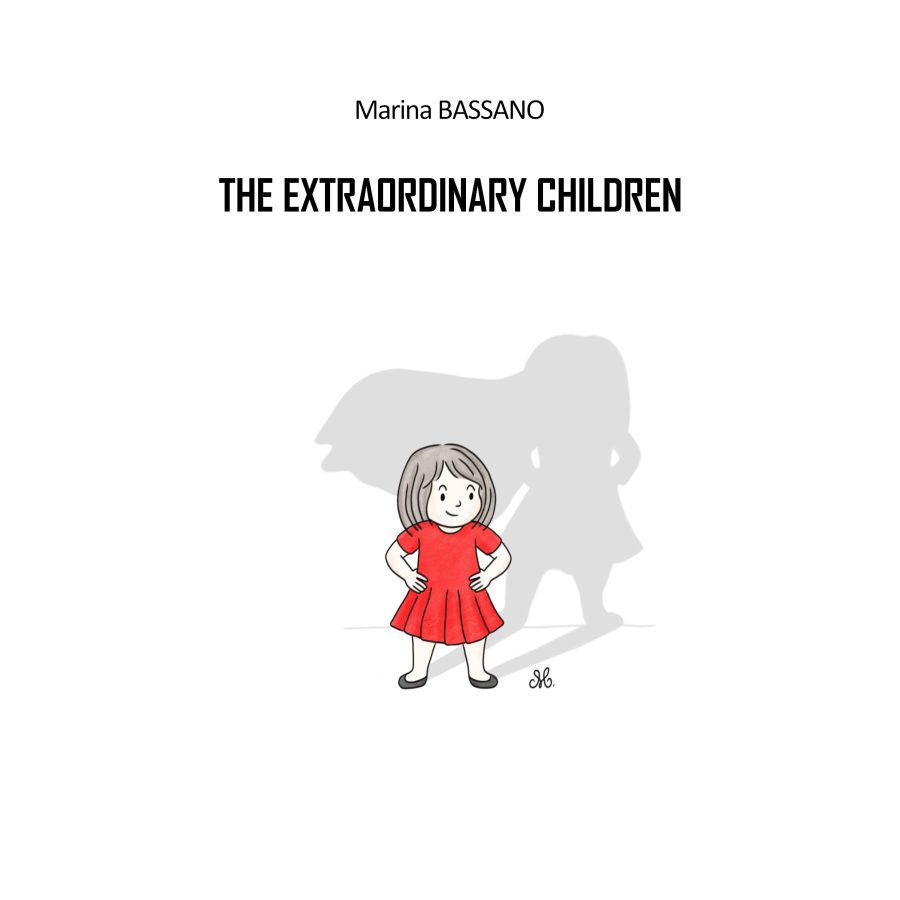
The book The Extraordinary Children offers a poetic and accessible approach to help children — as well as parents and teachers — better understand how they function. With gentle illustrations and thoughtful content, it addresses differences with care, encourages self-acceptance, and highlights each child’s unique strengths. It is a valuable resource to open dialogue, support emotions, and nurture creativity.
Conclusion
Giftedness, ADHD, and high sensitivity are distinct — yet sometimes overlapping — profiles, each with their own strengths and challenges. Understanding these nuances allows for more effective support and helps create a safe, stimulating, and empowering environment for each child. The key lies in listening, patience, and using the right resources to turn differences into strengths. Valuing each child’s uniqueness strengthens self-esteem, confidence, and personal growth.