High Sensitivity and Self-Esteem: Supporting Children So They Can Thrive
High sensitivity is an inner strength that allows some children to feel deeply and perceive the world with great nuance. However, this emotional intensity can sometimes weaken self-esteem if it is not supported with care and understanding.
What Is Self-Esteem in a Highly Sensitive Child?
Self-esteem is the way a child sees themselves, evaluates their worth, and believes in their value. For a highly sensitive child, low self-esteem can increase stress, anxiety, or social withdrawal. On the other hand, strong self-esteem helps them express their emotions without fear of judgment and face challenges with confidence.
Strategies to Support Self-Esteem
Validate Their Emotions
Listening attentively and naming what the child feels helps reduce inner self-criticism and builds a deep sense of being understood.
Create a Safe and Predictable Routine
A stable environment helps children anticipate and manage their emotions. Morning and bedtime rituals reinforce their sense of security.
Encourage Creative Expression
Creativity (drawing, music, theater, writing) offers a space for expression without judgment. It helps children become aware of their emotions and transform them into something positive.
Offer Meaningful Responsibilities
Age-appropriate tasks (like caring for a plant or helping at home) strengthen confidence and a sense of competence.
Use Visual Supports
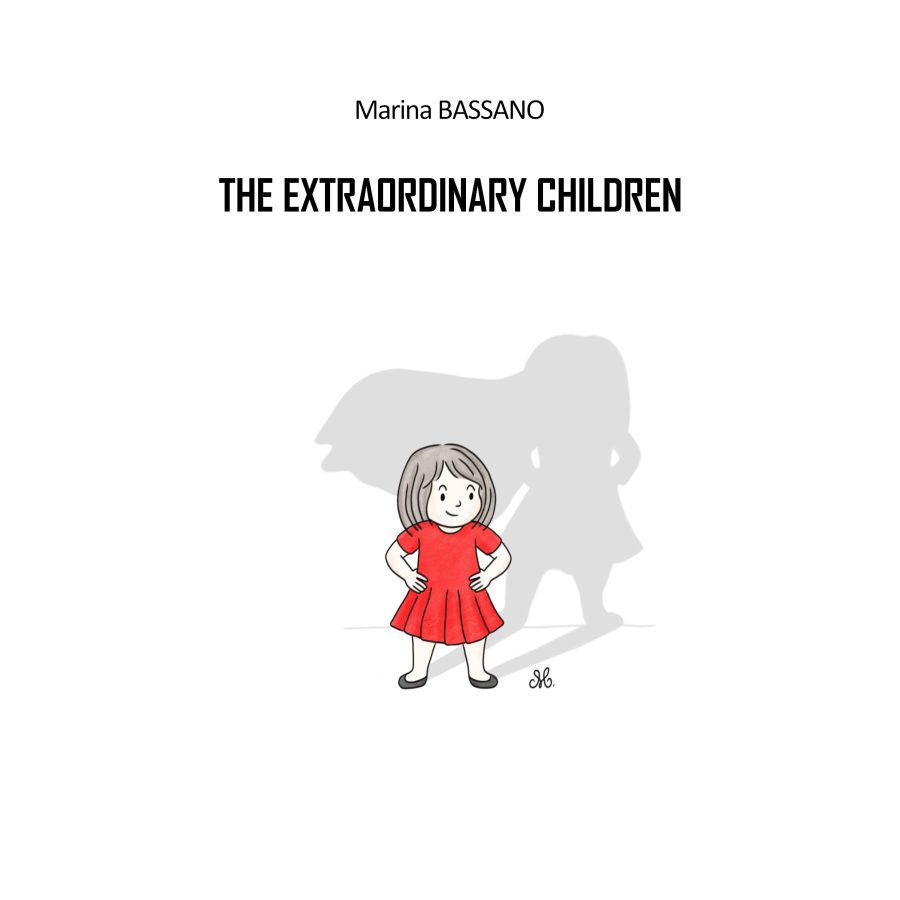
Images and illustrated guides, like our book “The Extraordinary Children,” help children make sense of their emotions and put words to them.
The Role of Adults in Emotional Growth
Parents, teachers, and caregivers play a key role:
- Be patient and attentive to emotional needs
- Avoid excessive criticism and comparisons
- Encourage autonomy and decision-making
- Value effort, even small steps
- Create open, judgment-free communication
Activities to Build Self-Esteem
- Success Journal: write down one thing the child is proud of each day
- Emotion Cards: identify and talk about emotions
- Gratitude Board: note what the child feels grateful for
- Encouragement Rituals: celebrate effort and progress
- Guided Breathing: simple exercises to regulate emotional intensity
Conclusion: Turning Sensitivity into Strength
A highly sensitive child does not need to be “fixed,” but supported with care, respect, and kindness. By strengthening their self-esteem, you help them understand that their sensitivity is a strength — a unique way of being in the world.
To go further, discover our illustrated guide “The Extraordinary Children”. It features 20 illustrated emotions and texts designed for both children and those who support them, helping foster emotional growth with gentleness.