Cultivating Well-Being in Neurodivergent Adults
High sensitivity and neurodivergence (giftedness, ADHD, autism spectrum, and other profiles) are often sources of inner strength, creativity, and intuition. However, these traits can also make managing stress, emotions, and emotional fatigue more challenging. Cultivating lasting well-being is not a luxury for neurodivergent adults — it is essential to fully embrace and live their uniqueness.
Creating a Calming Environment
For neurodivergent adults, well-being begins with a space that respects their sensory needs. A calm, organized, and soothing environment helps reduce emotional overload and supports emotional regulation.
- Use soft lighting and comforting objects.
- Limit overwhelming visual or auditory stimuli.
- Create dedicated relaxation areas (“cozy corners” with cushions, plants, etc.).
Establishing Gentle Routines
Routines provide reassuring structure. They help stabilize emotional energy and make it easier to manage daily stimulation.
- Wake up at consistent times.
- Practice small daily rituals: mindful breathing, light walks, journaling.
- Schedule regular breaks throughout the day.
Mindfulness and Present Awareness
Mindfulness is especially beneficial for highly sensitive adults. It helps observe emotions without judgment, stay grounded in the present moment, and reduce stress.
- Meditate for 5 to 10 minutes daily.
- Practice deep breathing before or after stressful situations.
- Use coloring, mandalas, or creative activities as relaxation tools.
Creating a Personal Recharge Space
Setting aside time to reconnect with yourself is essential. Reading, for example, becomes a powerful well-being ritual when it helps release tension and open the mind and heart.
Integrating reading into a relaxation routine — after meals, before bedtime, or during a quiet break — nourishes the mind while calming the body.
Exploring Additional Well-Being Resources
The life of a neurodivergent adult can be enriched through various supportive resources and practices:
- Guided meditation or relaxation apps.
- Support groups or compassionate communities for highly sensitive individuals.
- Creative workshops or artistic activities.
Adopting a Holistic Approach to Well-Being
Well-being is not just a set of techniques — it is a lifestyle that respects your unique emotional, sensory, and cognitive needs. At the core of this approach:
- regular breaks to prevent emotional overload;
- activities that nurture creativity;
- habits that strengthen resilience and inner stability.
Conclusion: Embracing Your Uniqueness
For neurodivergent adults, self-care is not optional — it is the key to transforming emotional intensity into strength. By cultivating a calming environment, supportive routines, and mindful practices, it becomes possible to preserve your energy, strengthen resilience, and fully thrive.
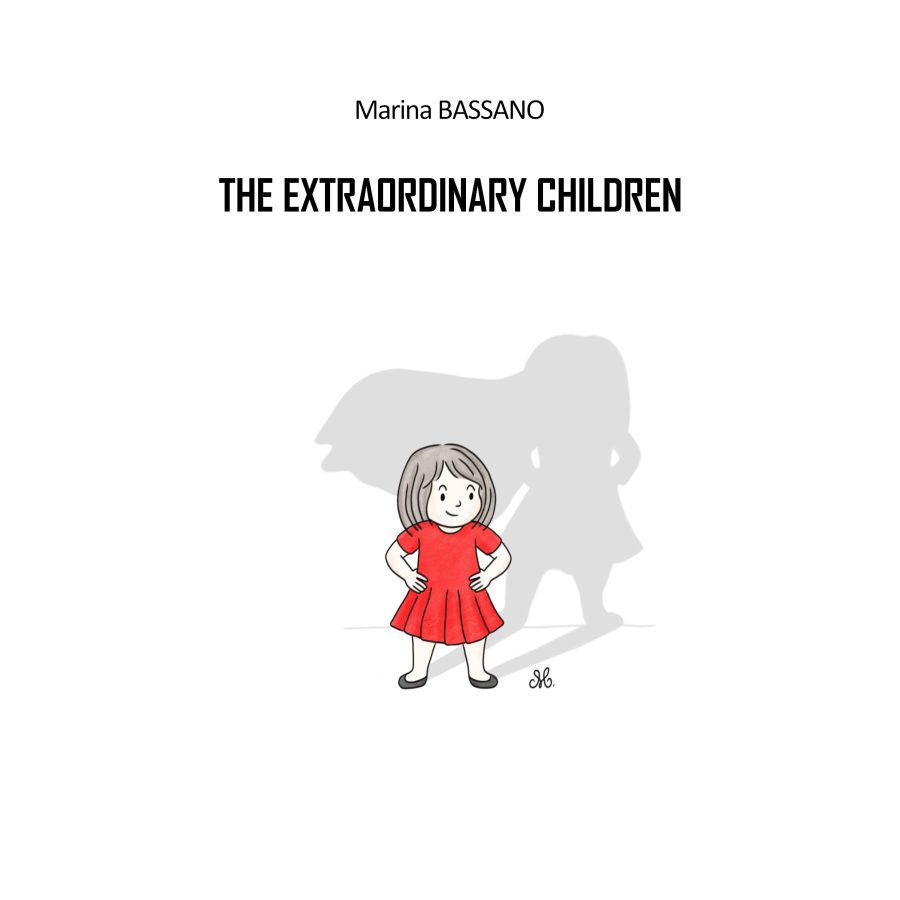
To support this journey, our illustrated guide “The Extraordinary Children” offers gentle tools to identify, name, and understand emotions — also valuable for highly sensitive adults seeking deeper self-awareness.