How to Live with High Sensitivity as an Adult
Understanding High Sensitivity in Adulthood
High sensitivity is a trait that affects many people, sometimes without being clearly identified. In adulthood, it shows up as strong emotional responsiveness, deep empathy, and heightened sensitivity to sensory environments. Loud noises, tense atmospheres, or hurtful remarks can have a much stronger impact than on others.
While this sensitivity is often seen as a burden, it is also a profound strength: openness to others, strong intuition, creativity, and authenticity in relationships.
Learning to live with high sensitivity begins with recognizing it as a part of who you are — not a flaw. It is a journey of self-awareness, supported by practical strategies that help transform sensitivity into strength and create balance in everyday life.
Identify Your Needs and Boundaries
The first step toward living peacefully with high sensitivity is learning to recognize your needs and limits. Noisy, overstimulating, or conflict-heavy environments can quickly lead to emotional fatigue. A highly sensitive adult must pay attention to internal signals: irritability, exhaustion, or the need for solitude.
Recognizing these signs early helps prevent stress from building up and protects overall well-being.
It is also important to create a calming living environment: soft colors, natural light, and a quiet space to recharge. Taking regular breaks — even short ones — is essential to avoid overwhelm and restore emotional balance.
Adopt Calming Routines
Establishing daily habits that promote relaxation is a powerful way to manage high sensitivity. Mindfulness practices such as meditation or deep breathing help calm the mind and bring attention back to the present moment. For others, spending time in nature — by the ocean, in the forest, or simply outdoors — provides a sense of grounding and renewal.
Consistency is key. A morning or evening ritual, a few minutes of breathing before an important moment, or a daily pause for silence can deeply transform emotional regulation. These small routines become reassuring anchors that support inner stability.
Express Emotions Through Creativity
Creative expression is a natural pathway for highly sensitive adults. Emotions that are difficult to verbalize often find their voice through art. Drawing, writing, painting, music, or dance allow for authentic expression without relying solely on words.
These creative practices are not only outlets — they also build self-confidence. Through creation, sensitivity becomes something tangible and meaningful. The creative process becomes a tool for self-discovery and emotional release.
Learn to Set Boundaries
One of the main challenges for highly sensitive individuals is setting boundaries. Their empathy and desire to help others can lead to emotional exhaustion. Learning to say no, step back, or leave overwhelming situations is essential for protecting mental health.
Setting boundaries does not mean rejecting others — it means protecting yourself so you can show up more fully. Creating time for yourself, clarifying priorities, and honoring your needs are essential acts of self-care. Over time, this strengthens balance and helps prevent emotional burnout.
Turn to Supportive Resources
Living with high sensitivity is a journey, and having the right resources can make a meaningful difference. Books, podcasts, and workshops offer insights and practical tools to better understand and integrate this trait into daily life. They also provide validation and a sense of connection.
Among these resources,
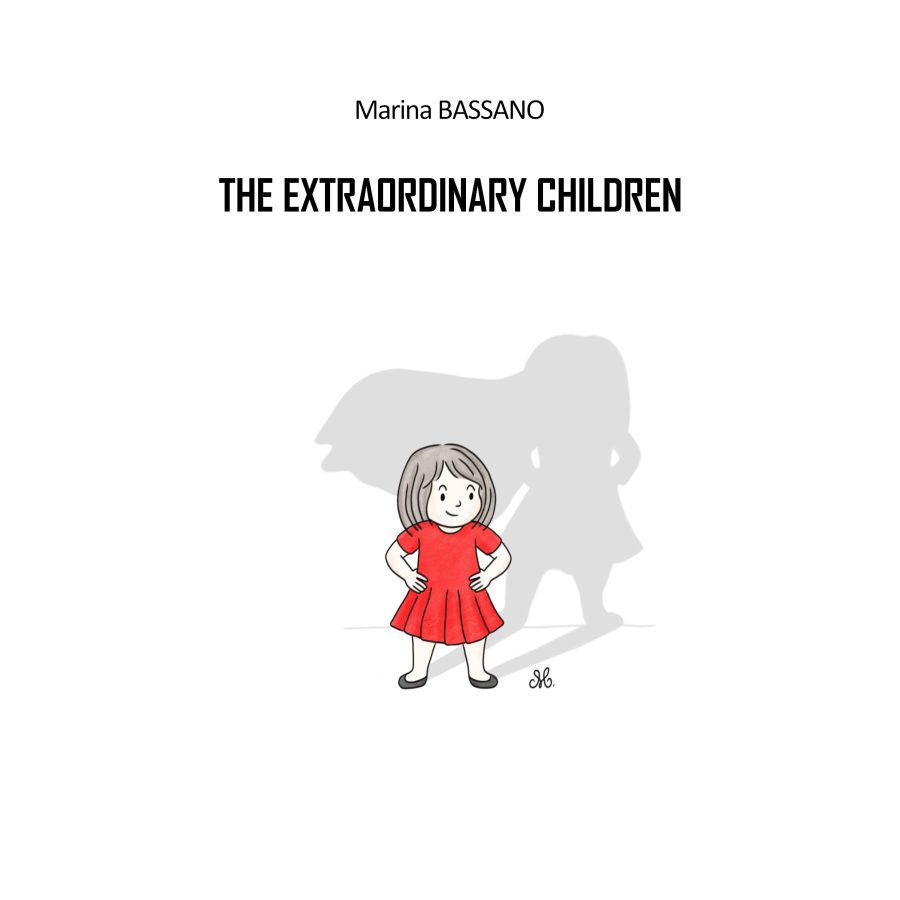
The Extraordinary Children: A Guide for Neurodivergent Individuals
by Marina Bassano offers a gentle and insightful perspective on sensitivity, with practical ways to navigate it. While primarily designed for children, it resonates deeply with highly sensitive adults seeking to better understand themselves.
You can also explore more resources through the author’s Amazon page, where you’ll find inspiring reads to support your journey.
Conclusion
Living with high sensitivity as an adult can be both a challenge and a unique opportunity to cultivate a rich and authentic inner life. Recognizing your needs, building calming routines, expressing yourself creatively, setting boundaries, and using supportive resources are all ways to transform sensitivity into strength.
Far from being a weakness, high sensitivity is a powerful trait that allows for deep understanding and meaningful connections. By learning to embrace it, highly sensitive adults can thrive and turn their sensitivity into a valuable ally in building a balanced, aligned, and fulfilling life.