How to Recognize a Highly Sensitive Child
A highly sensitive child experiences the world with greater emotional and sensory intensity than average. This is not a disorder or a condition, but a way of being — a temperament that shapes every aspect of their daily life. Behind this heightened sensitivity often lies a deep inner richness, but also a vulnerability that requires understanding and care.
Recognizing high sensitivity in a child allows them to grow in an environment where they feel respected and understood, rather than judged or misunderstood. However, because the signs can sometimes be subtle or confused with other behaviors, it is not always easy to identify. Still, certain patterns can help guide a more compassionate and supportive approach.
Common Signs of a Highly Sensitive Child
One of the first noticeable traits is often strong emotional responsiveness. A highly sensitive child may cry easily, blush after a comment, or react with sudden anger. These reactions are not “tantrums” — they reflect emotional intensity that is difficult to regulate. Emotions can feel like powerful waves that overwhelm them.
This emotional intensity is often paired with sensory sensitivity. Loud noises, bright lights, itchy fabrics, or strong smells can cause discomfort far beyond what other children experience. Where others adapt easily, a highly sensitive child may feel real distress or exhaustion. This can lead them to seek calm environments, solitude, or soothing activities.
Another key trait is deep empathy. These children often feel others’ emotions as if they were their own. A tense atmosphere at home, a disagreement between classmates, or even a subtle facial expression can affect them deeply. They tend to be highly attentive to others’ needs, sometimes at the expense of their own.
Many highly sensitive children also develop perfectionism. They set very high expectations for themselves and experience failure as a deep emotional wound. This can lead to fear of judgment, hesitation to act, or anxiety over small mistakes. Some may even feel responsible for things beyond their control, increasing their emotional load.
Finally, high sensitivity can show up as mental fatigue or difficulty adapting to certain school or social environments. Too much stimulation, noise, or pressure can quickly become overwhelming. These children often need regular breaks to recover and regain balance.
Why It’s Important to Recognize High Sensitivity
Identifying high sensitivity is essential for a child’s development. Without it, their behavior may be misunderstood. They might be labeled as “too sensitive,” “difficult,” or immature, when in reality they simply function differently.
Understanding this sensitivity allows adults to adapt the environment. Creating a quiet space at home or school, establishing reassuring routines, and encouraging sensory breaks can make a significant difference. Instead of criticizing emotional reactions, adults can help the child put words to their feelings.
Recognizing high sensitivity also helps build self-esteem. When a child feels understood, they learn they are not “too much” or “wrong,” but simply unique. This reduces the risk of anxiety, isolation, or low self-confidence.
In the long term, supporting a highly sensitive child with care helps them turn their sensitivity into a strength. Many highly sensitive adults describe their empathy, creativity, and intuition as powerful assets — once they learn to embrace them.
A Book to Support Them Gently
Among the tools that can help children understand and embrace their sensitivity, books hold a special place. Highly sensitive children often connect deeply with stories, images, and metaphors.
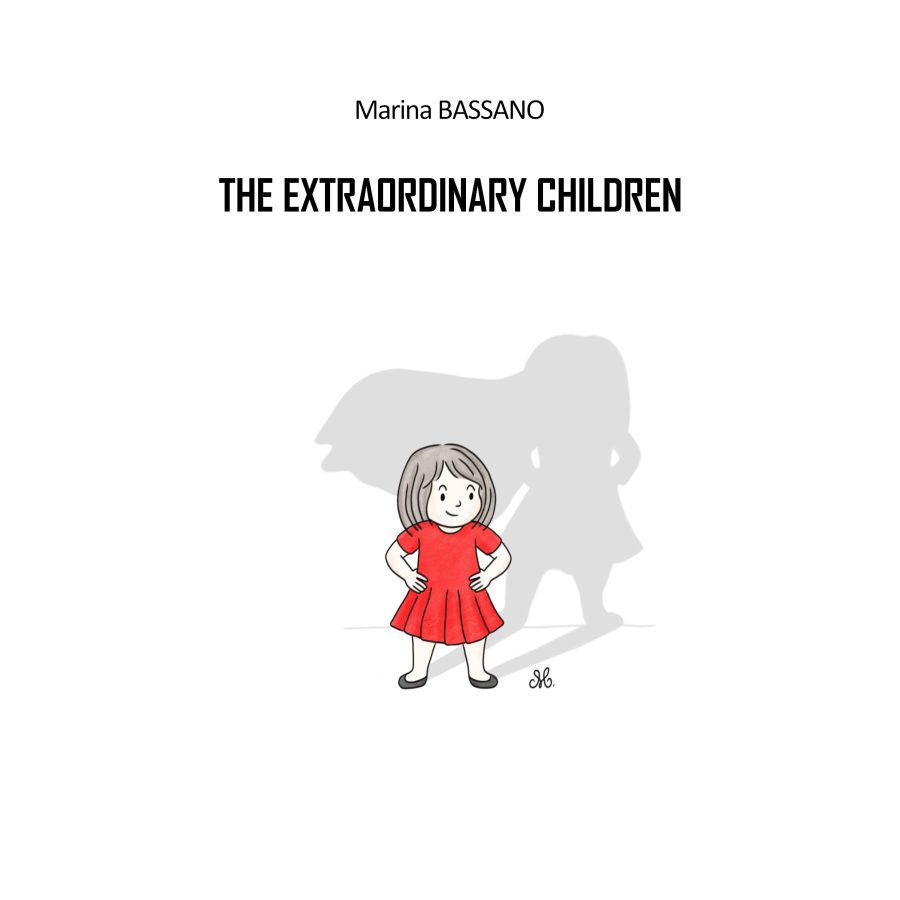
The book The Extraordinary Children offers a poetic and compassionate approach to guide them toward self-understanding. Through the journey of Ecco, it explores themes of difference, confidence, and self-love. It becomes a reassuring companion, showing children they are not alone and that their sensitivity is a strength.
Reading together with an adult allows children to express what they feel, share their experiences, and feel accepted in who they are. For parents, educators, and teachers, it is also a valuable resource for offering simple and respectful support.
Conclusion
Recognizing a highly sensitive child requires observation, patience, and openness. Emotional intensity, sensory sensitivity, empathy, and perfectionism are not flaws, but natural expressions of a unique temperament.
Welcoming this difference with care transforms what may seem like a challenge into a powerful strength. When understood, high sensitivity becomes a source of empathy, creativity, and emotional depth.
Every highly sensitive child needs an adapted environment, support, and recognition. By offering these conditions, we help them grow with confidence and turn their sensitivity into a true strength.