Managing Emotions
Recommended Techniques and Tools
Neurodivergent children — whether highly sensitive, gifted (high intellectual potential), emotionally intense, empathetic, or with ADHD — often experience emotions with overwhelming intensity. Fear, frustration, joy, or anger can quickly take over. Where a neurotypical child may be able to put things into perspective, a neurodivergent child may experience the same situation as a true emotional storm. Helping them navigate their emotions gives them a powerful foundation for growth, autonomy, and self-confidence. Emotional regulation is not innate — it is a skill that develops over time with the right tools and compassionate support.
Naming Emotions to Better Understand Them
The first step in emotional regulation is recognizing and naming what you feel. For a neurodivergent child, this is essential: putting words to an inner experience helps them understand it and begin to regulate it. Simple phrases like “Are you feeling sad?”, “Do you feel angry?”, or “It seems like you’re scared” create a safe space for expression. The child learns that their emotions are valid and can be expressed without shame.
To support this learning, many visual and playful tools can help: emotion cards, illustrated books, role-playing, or even coloring activities. These tools make it easier for children to identify what they are experiencing. Over time, they build a richer emotional vocabulary and become more independent in expressing their feelings.
Creating a Calm-Down Routine
When emotions become overwhelming, neurodivergent children need practical strategies to regain balance. Establishing a calming routine can be very effective. This might include a “safe space” at home where the child can find comfort objects: a soft blanket, a stuffed toy, a book, or headphones to listen to calming music.
Other simple techniques — such as guided breathing, child-friendly meditation, or sensory tools (stress balls, fidgets, weighted blankets) — help redirect attention and gradually soothe emotions. This routine should remain a safe and reassuring moment, without punishment or judgment, so the child associates it with security and self-regulation.
The Power of Creative Expression
When words are not enough, art becomes a powerful outlet. Drawing, painting, writing, dancing, or music allow children to release what is building inside. Many neurodivergent children find in creativity a parallel language that helps express emotional intensity.
Encouraging a child to “draw their anger,” “paint their joy,” or “create a sad song” transforms emotional storms into creative expression. These creations should not be judged for their aesthetics, but valued for what they represent: a meaningful expression of inner experience. Over time, the child learns that creativity can be a safe refuge when emotions feel overwhelming.
Being a Stable Emotional Role Model
Children learn through observation. An adult who expresses emotions calmly and clearly provides a powerful example. Saying “I’m feeling angry, so I’m going to take a moment to breathe” shows that emotions are natural and can be managed without exploding or shutting down.
It is equally important to acknowledge every effort the child makes. Praising attempts to calm down — even if imperfect — strengthens self-esteem and encourages progress. This positive reinforcement becomes a key driver in emotional learning.
A Gentle and Creative Support Tool
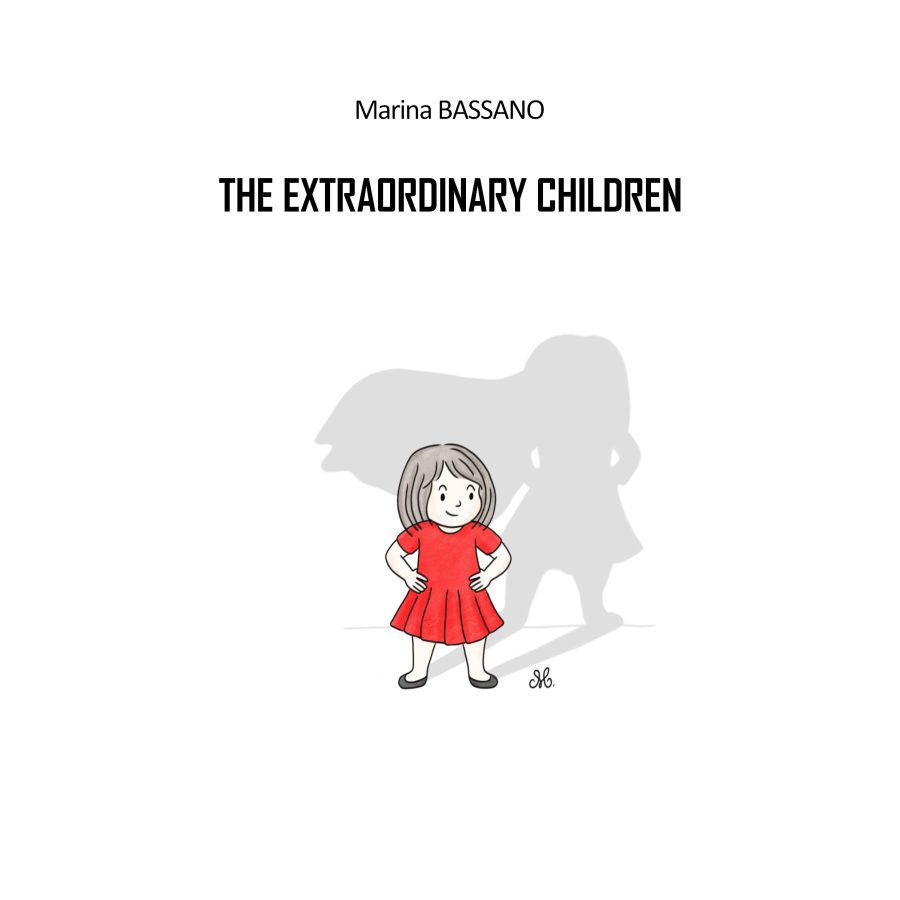
Stories and images provide a soft way to explore complex emotions. The book The Extraordinary Children offers a gentle and poetic approach to understanding emotions through illustrated narratives. Each page invites the child to recognize themselves in sensitive characters and realize they are not alone. It is a valuable tool to open dialogue, normalize experiences, and introduce new ways of responding.
This guide is designed not only for children but also for parents, teachers, and professionals who want to better understand the emotional world of neurodivergent individuals. It combines poetry and practical insight to make emotional learning accessible and engaging.
Supporting Without Overprotecting
It can be tempting to shield a child from all frustration or conflict, but this does not build resilience. The goal is balance: offering a safe and supportive environment while allowing the child to experiment, make mistakes, and develop their own strategies. Encouraging them to try different approaches, express their feelings, and find solutions helps build strong emotional independence.
Conclusion
Helping a neurodivergent child manage their emotions gives them essential tools for growth. Naming feelings, creating calming routines, encouraging creativity, and offering positive role models build a strong foundation for personal development. Books, playful tools, and compassionate support transform emotional storms into opportunities for learning.
Learning to manage emotions is not just a childhood skill — it is a lifelong ability. By giving children the right tools early on, we help them build lasting confidence and turn their sensitivity into strength. To go further, discover the books available on Amazon, designed to support both children and adults in understanding and expressing their inner world.