What Is a Neurodivergent Child?
A neurodivergent child is a child whose emotional, cognitive, or relational functioning differs from what is typically expected for their age. They may be highly sensitive, gifted (high intellectual potential), have ADHD, a learning difference (dyslexia, dyspraxia, etc.), or be on the autism spectrum without intellectual disability. These children are not “struggling” — they are simply “different” in the way they experience the world. Understanding these differences is essential to support their well-being and development.
Often creative, intense, curious, or anxious, these children perceive their environment in an amplified way. They may notice details others overlook, feel others’ emotions deeply, or have a strong need for meaning and coherence. This sensitivity can be a profound inner strength, but it can also lead to misunderstandings, especially in school or social settings. Adults around them — parents, teachers, and professionals — play a key role in adapting the environment to their specific needs.
Common Traits of a Neurodivergent Child
There is no single profile, but several traits may be observed:
- Intense emotional responses: they may cry easily, feel anger quickly, or experience joy and fear more strongly.
- Curiosity and creativity: they ask many questions, explore complex topics for their age, and create original ideas or solutions.
- Sensory sensitivity: heightened sensitivity to noise, light, textures, or smells, which can lead to fatigue or stress.
- Unique social perception: difficulty with typical social codes, but often strong empathy and emotional awareness.
- Intense interests: deep focus on specific passions, sometimes leading to exceptional skills.
- Need for solitude: they may seek time alone to recharge and process emotions.
- Uneven development: advanced abilities in some areas and challenges in others.
How to Recognize a Neurodivergent Child
Recognizing a neurodivergent child requires observation and listening. Signs vary and can evolve over time. Common indicators include:
- Strong or disproportionate emotional reactions to everyday situations
- Rich imagination and creativity, sometimes misunderstood
- Perfectionism or anxiety related to failure or judgment
- Attention difficulties or hyperactivity that may mask high potential
- Sensitivity to sensory stimuli and a need for calm environments
- Advanced reasoning or memory in specific areas
Every child is unique. The goal is to recognize their strengths and needs in order to provide a supportive, safe, and stimulating environment.
The Importance of a Supportive Environment
A structured, stable, and caring environment is essential for helping neurodivergent children feel understood and secure. Consistent routines, open communication, and preparation for change reduce stress and build confidence. Adults should adopt an active listening approach and focus on effort rather than shortcomings.
Positive interactions with peers and adults support the development of social skills. It is also important to offer activities and spaces that respect the child’s pace, encourage emotional expression, and allow for sensory recovery.
The Role of Educational Resources and Books
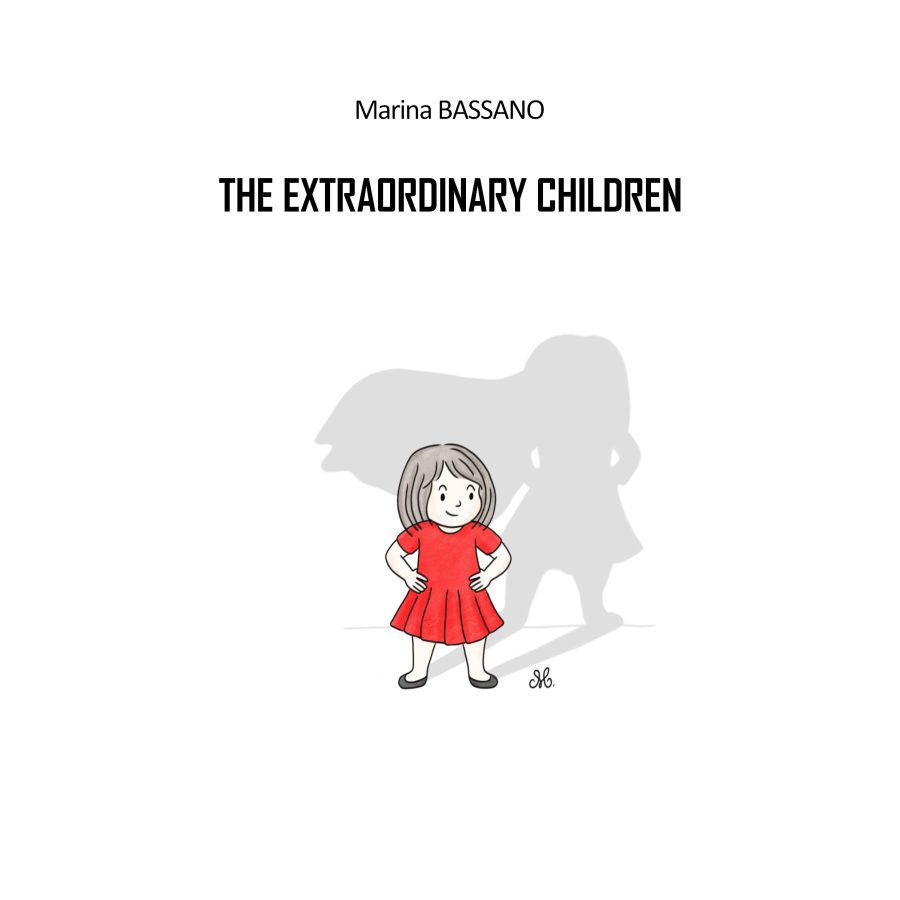
Books and adapted learning tools are powerful supports to help neurodivergent children understand themselves and feel accepted. The book The Extraordinary Children is an excellent example. Through poetic illustrations and simple texts, it explores emotions, difference, and self-acceptance. It helps children put words to their feelings while giving parents, teachers, and therapists a gentle way to connect and support them.
These resources build confidence, respect individual needs, and support the development of a positive identity. Stories allow children to relate, normalize their experiences, and learn strategies to navigate their emotions and daily life.
Additional Support Strategies
- Creative activities such as drawing, painting, or writing to express emotions and stimulate imagination
- Mindfulness or breathing techniques to manage stress and anxiety
- Supportive communication that focuses on strengths rather than failures
- Adapting school and home environments to reduce sensory overload
Conclusion
A neurodivergent child is not “in difficulty” or “abnormal.” They are simply different and deserve understanding, patience, and appropriate support. Recognizing their unique traits and needs helps transform challenges into strengths. Books and resources such as The Extraordinary Children are valuable tools to guide both children and adults toward balanced development and stronger self-esteem.