Why Do I Feel Sad for No Reason When Everything Is Fine?
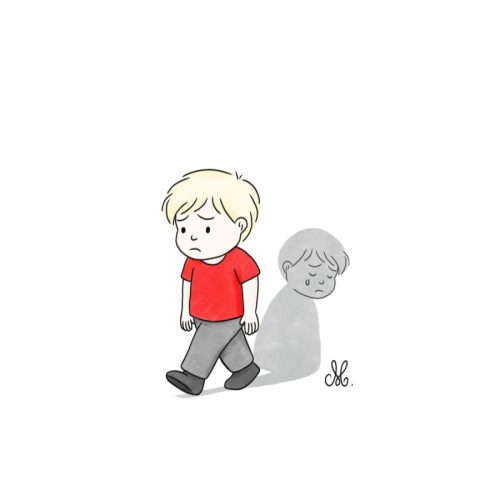
Sometimes you may wonder: why do I feel sad for no reason when everything is fine?
Everything seems normal around you—life goes on, others are doing well, nothing particular has happened… and yet, a sadness is there. Quiet, diffuse, like a silent presence.
This feeling can make you feel misunderstood or even “strange.” Yet, feeling sad for no reason is not uncommon, especially for sensitive or atypical individuals.
This sadness is not a flaw. It is part of your inner world.
Emotions Don’t Always Follow Logic
Our emotions do not depend only on what happens around us. You can feel sad without an apparent reason, even when everything seems to be going well.
Sometimes, this sadness is linked to accumulated tension, emotional fatigue, or feelings that have not yet been expressed.
That’s why you might think: “I feel sad for no reason”, without immediately understanding why.
Why Do I Feel Sad for No Reason? The Role of Body and Mind
Your body and mind work together, even when you are not fully aware of it.
Fatigue, stress, suppressed emotions, or lack of rest can all influence your inner state.
For sensitive or atypical people, these variations can be more intense. This may explain why you can feel sad even when everything around you seems fine.
This is not a weakness. It is often a sign of deep emotional sensitivity.
When I Feel Sad for No Reason: Learning to Welcome the Emotion
When you tell yourself “I feel sad for no reason”, the first step is not to fight the feeling.
It is to welcome it.
Sadness is not an enemy. It does not mean you are weak or that something is wrong with you.
It may simply be pointing to a need: to slow down, to rest, to listen to yourself.
Welcoming it gently often helps it soften naturally.
When Everything Is Fine but I’m Not
It can be confusing to feel sadness when your external life seems stable.
Yet many people experience this inner disconnect: everything is fine, but I’m not.
This gap is often linked to heightened emotional sensitivity or an invisible accumulation of mental fatigue.
Expressing What You Feel
Talking about what you feel matters.
Writing, drawing, or simply telling someone “I feel sad for no reason” can already bring relief.
For sensitive or atypical children and adults, expressing emotions helps make sense of them and not face them alone.
Emotions then become clearer, lighter, easier to move through.
Sadness as an Inner Message
Sadness can be seen as a signal.
It invites you to listen to yourself, to slow down, to understand what is happening inside you.
Even if it feels uncomfortable, it is not there to harm you.
It is often there to bring you back to yourself.
Feeling Less Alone
If you sometimes think “I feel sad for no reason”, know that you are not alone.
Many people experience this same inner state, even if it is invisible from the outside.
Sharing, speaking, or simply putting words to this sadness can already lighten what you feel.
Conclusion
Feeling sad for no reason is not a mystery you need to solve at all costs.
It is a human experience, often linked to sensitivity, emotion, and what is happening within.
Learning to listen to this sadness, rather than reject it, helps you understand yourself better.
And if you would like to explore emotional sensitivity in children and adults more deeply, discover
Extraordinary Children.