Need for solitude in hypersensitivity
The need for solitude in hypersensitive people is often misunderstood. It may be seen as rejection, lack of interest, or withdrawal. Yet it is quite the opposite.
For a hypersensitive person, solitude is not an escape. It is an essential need to reconnect, regulate, and breathe.
Hypersensitive: A Need for Solitude to Regulate
Hypersensitive people feel emotions more intensely. They perceive more details, atmospheres, and tensions.
This inner richness can become overwhelming. The brain processes more information, which requires more energy and therefore moments of recovery.
This is why a hypersensitive person needs solitude: to soothe this intensity and regain balance.
A Need to Be Alone to Recharge
After social interactions—even positive ones—it is common to feel emotional fatigue.
Being alone allows you to:
- reconnect with yourself
- calm the mind
- restore your energy
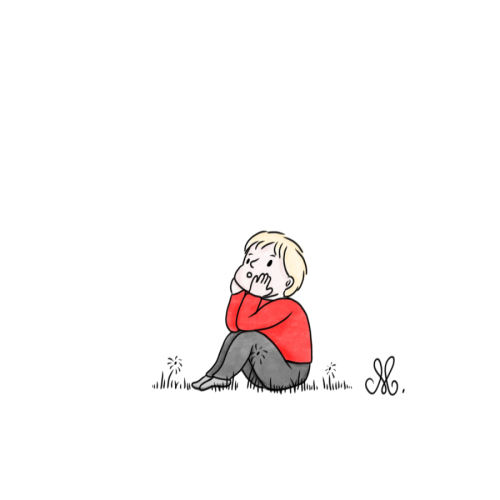
This need for solitude is not a rejection of others, but a way of taking care of yourself.
Chosen Solitude or Unwanted Isolation
It is important to distinguish between solitude and isolation.
Chosen solitude is soothing. It helps process emotions, reflect, and refocus.
Unwanted isolation, on the other hand, can be painful. It is often linked to a feeling of misunderstanding or disconnection.
For hypersensitive individuals, solitude becomes beneficial when it is chosen and respected.
Why Hypersensitive People Need Calm and Silence
Hypersensitive individuals are often more sensitive to stimuli: noise, light, agitation.
Calm and solitude help reduce overstimulation and soothe the nervous system.
These quiet moments are essential to regain clarity and well-being.
A Natural Need, Not a Weakness
Needing solitude does not mean being fragile or antisocial. It is a healthy way of functioning.
Solitude helps hypersensitive people preserve their energy, nurture their creativity, and improve their relationships.
By respecting this need, they can be more present, available, and authentic with others.
Conclusion
The need for solitude in hypersensitive people is a balance, not a problem.
It is in these quiet moments that you reconnect with yourself, understand your emotions, and recharge your energy.
Solitude does not distance you from others—it allows you to return to them more peacefully.
Understanding this need helps you live your hypersensitivity more calmly in everyday life. To go further, this book on hypersensitivity offers a gentle approach to better understand and soothe your emotions.